Beginner's Guide to Cooking with Cast Iron
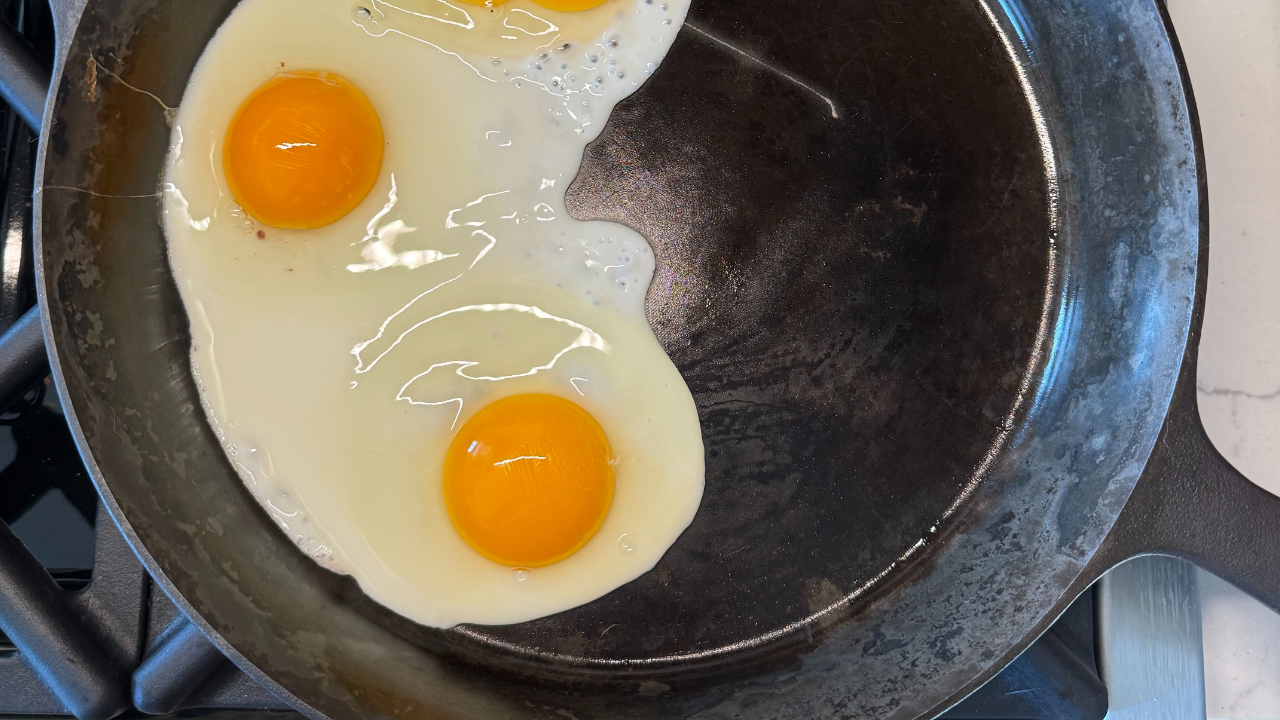
Whenever I share about cooking with cast iron on Instagram, you guys go crazy! It seriously blows me away how many people are interested in learning how to cook with cast iron but feel overwhelmed, intimidated or don’t know where to start. I felt the same way when I started cooking with cast iron 5 years ago. I actually owned a pan for about 5 years before I ever gave it a try - so silly!
The questions I receive most commonly are: why should I cook with cast iron, how do you keep your foods from sticking and what type of cast iron should I buy?
Benefits of Cooking with Cast Iron
Cast iron has become my preferred method of cooking over the years. Some of the reasons I favor cast iron over stainless steel or other types of cookware are:
- Unlike other pans, you won’t have to replace your cast iron after only a few years of use; when properly cared for your cast iron can last 100+ years! If you buy one, congrats, you now own a family heirloom!
- Cast iron is fantastic at maintaining its heat for even cooking and can be transferred to the oven to finish cooking something like a steak.
- When seasoned properly, it has a naturally non-stick surface that allows you to easily cook eggs or other delicate foods without sticking to the pan
- Some literature suggests that cooking in cast iron can have a positive impact in reducing instances of iron deficiency anemia.
How I Keep my Cast Iron Non-Stick
This is the biggest learning curve when it comes to cooking with cast iron, in my opinion.
The way cast iron becomes non-stick is by developing an even layer of seasoning over time. Seasoning is the process of applying a thin layer of fat on cast iron and then baking it in the oven around 450º F so that the fat polymerizes and fills in all of the texture of the pan. It’s super important to use fats that have a high smoke point so they don’t break down or become rancid. My favorite fats to use are avocado oil or this blend from Field Company. If you want to use something like olive oil or tallow, you’ll need to bake your cast iron at a lower temperature since these types of fats have a lower smoke point.
Another important part of keeping your cast iron pans non-stick is how you clean your pan. Here are the steps I follow:
- Remove any pieces of food leftover after cooking
- Rinse with water, and if needed use a small amount of dish soap and a gentle scrubber
- It used to not be suggested to wash cast iron with soap because soap often contained the ingredient, lye. Most soaps no longer use lye so a bit of dish soap won’t hurt!
- Dry thoroughly with a towel, and if you want, you can put it back on the stove on low to make sure the pan is fully dried out
- Add a thin layer of oil after drying and store for next time.
Here’s a video I made of the steps if you’re a visual learner.
Once you get the hang of it, the upkeep doesn’t feel so hard!
Troubleshooting Rust Spots
This has yet to happen to me, but if you notice rust spots forming, food sticking or an odor left behind in your pan after cooking you may need to scour your pan and reseason. You can use steel wool to scrub all of the seasoning off the pan, coat the entire pan in a thin layer of fat and then bake in the oven at 450º for an hour. Turn the oven off with the pan still inside and wait until fully cooled to remove. You may need to repeat this a few times to get your pan back to a good base layer of seasoning!
Another important part of keeping your cast iron non-stick is avoiding certain ingredients. Generally, you want to avoid using lots of acidic ingredients in a cast iron pan since it can erode your seasoning. If you’re going to cook with something like tomatoes or vinegar, make sure that it’s part of a dish with non-acidic foods to balance the overall acidity levels in the pan. I have a skillet lasagna I love to make in my cast iron, but I just make sure to remove it after baking and it’s just fine. I would also avoid marinating meat directly in cast iron as many marinades involve acidic ingredients, and meat can also be acidic.
If you find that your seasoning is beginning to wear off or your food starts to taste a bit metallic, it’s time to re-season your pan.
My Favorite Cast Iron Tools
Here are some of my go-to cast iron kitchen tools that I reach for every single day.
- Basic, cast iron pan (my #1 favorite)
- Pre-seasoned cast iron pan (use the code ANYWHERENUTRITION for 10% off - affiliate link)
- 5-quart Dutch oven
If buying brand new cast iron is out of budget for you, I always recommend swinging by your local Goodwill to see if you can find something second-hand or checking out your local Buy Nothing Group. You may have to put in a little extra elbow grease to get it properly seasoned, but you can find amazing deals on quality cast iron this way!
Another option is to cook with something like the Lucky Iron Fish. It’s perfect for increasing the amount of bioavailable iron in dishes like broth, soup, curry, and more.
Welcome to the Blog!