Is Picky Eating Impacting Your Health?
Were you labeled a “picky eater” growing up? Did you grow out of it or have those food preferences followed you into adulthood? I’ve worked with many picky eaters, both adults and children, during my time in a clinical setting. It can be a taxing condition for parents to navigate as they try to meet their child’s nutritional needs in pivotal years. I’ve also seen the impact it has on adults who were picky eaters as children, and maintained a narrowed diet throughout adulthood. The question I want to explore today is: how does limiting your diet impact your health?
What is a Picky Eater?
It can be difficult to define what exactly constitutes picky eating, but this study defines picky eaters as “those who consume an inadequate variety of food through rejection of a substantial amount of food”.
If you’re a parent to a picky eater, you’re not alone. It’s estimated that up to 50% of children are considered picky eaters, and 40% of picky eating lasts more than 2 years. In many cases, picky eating is a childhood occurrence and children grow out of it as their taste preferences change and evolve over time.
Picky eating in adults has been studied far less than in children, but in one study over 35% of participants self-reported as picky eaters.
ARFID vs Picky Eating
It’s important to differentiate between picky eating, which is what I’m exploring today, and conditions like ARFID. ARFID goes beyond picky eating, and is a recognized medical condition. If you, or someone you know suffers from ARFID, the information in this blog may not apply to you!
The Impact on Gut Health
Did you know your gut microbiome develops in the first few years of life? The first microbes your body is exposed to occurs during birth (if delivered vaginally) and through breastfeeding. While your gut microbiome can change throughout your life, the first several years are pivotal in setting your body up with a solid foundation for tolerating a wide variety of foods.
If you grew up as a picky eater, you might notice digestive discomfort when you start adding new foods later in life. When certain foods, especially fiber-rich plant foods, haven’t been part of your diet for years, your gut microbiome may need time to adapt. For example, someone who rarely ate beans growing up might experience bloating or gas when they suddenly start eating several servings per week. With gradual exposure, the gut microbiome often adjusts and these symptoms improve.
This is one of the major impacts that picky eating can have on your gut health as an adult. Imagine cutting out entire food groups for years as a child, and then trying to reintroduce them as an adult. You may think you’re allergic, or intolerant and give up on that food altogether when in reality you just need more time to reintroduce those foods.
Are you lacking micronutrients?
In one of my recent email newsletters, I shared some shocking statistics about micronutrient deficiency in Americans:
- 45% deficient in Vitamin A
- 46% deficient in Vitamin C
- 95% deficient in Vitamin D
- 84% deficient in Vitamin E
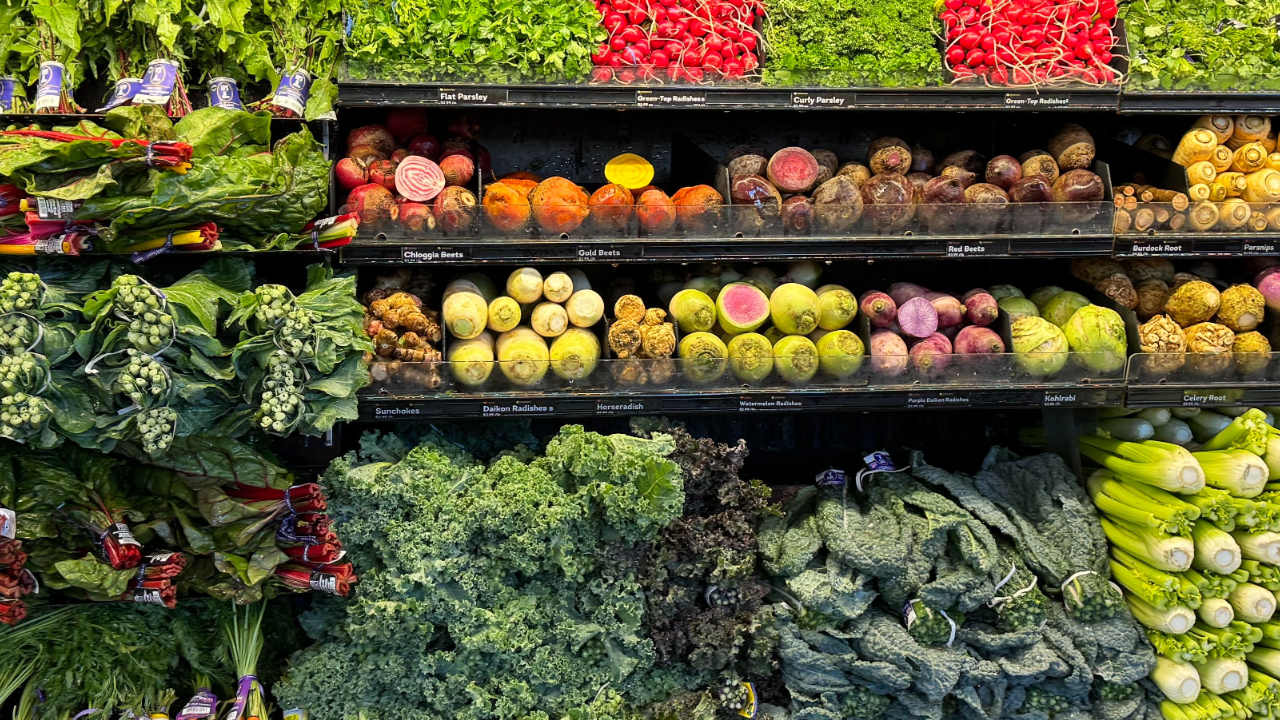
Having a varied diet is one of the best ways to prevent micronutrient deficiency. We know that the soil we grow our food in is not as nutrient dense as it once was, so it’s even more important now to prioritize getting as many micronutrients as we can. Fruits and vegetables, foods that many picky eaters avoid, provide micronutrients in abundance.
Micronutrients in Food
Here’s a cheat sheet for where you can find your vitamins and minerals:
- Red foods contain lots of Vitamins A, C and E as well as minerals like calcium, phosphorus, iron and magnesium
- Orange foods have an abundance of Vitamin C, potassium and calcium
- Yellow foods provide beta-carotene (which our bodies turn into Vitamin A), Vitamin C and potassium
- Green foods are a great source of Vitamins A, C, E and K in addition to calcium, iron, potassium and zinc
- Blue/Purple foods are known for Vitamin C, fiber and antioxidants
- White foods are surprisingly full of Vitamin C and a wide variety of B vitamins as well as potassium and magnesium
Imagine how many critical nutrients your body might be missing if you’re a chronic picky eater! Food is fuel, and there are so many amazing ways to add micronutrients to your meals to feel your best.
Strategies for Overcoming Picky Eating
As I said at the beginning of this blog, if you’re a picky eater or your child is a picky eater you’re not alone! There are tons of strategies you can apply in helping your child to eat a more varied diet or if you’re trying to expand your own palate.
- Start introducing foods one at a time. Don’t overwhelm yourself with trying to love every variety of leafy greens! Pick a few that you’re most interested in and cook them a variety of ways: steamed, roasted, grilled, etc.
- Go slowly! We know that it’s possible to experience some digestive discomfort while your gut microbiome is adjusting, so start with just one serving every few days until you can be sure that you’re tolerating it well.
- Perfection is not the goal. Even as a holistic dietician, I still have to challenge myself to eat foods outside of my box from time to time! Last fall, I was on a mission to figure out how to eat more eggplant, which I typically don’t like.
- Don’t give up! Imagine if you were able to introduce one new food every month, that’s up to a dozen new sources of micronutrients added to your diet every year.
If you’re looking for some fun new recipes to introduce more variety for yourself or your family, consider joining my meal plan membership. I publish a brand new menu every Thursday, so you’ll never run out of ideas to try!
Welcome to the Blog!